
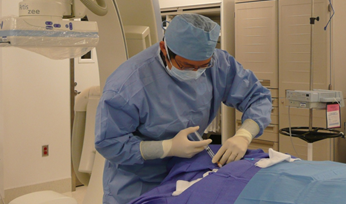
What Is Collaborative Surgical Care?
Not every heart condition requires surgery. Many cardiovascular conditions can be managed with medication, lifestyle modifications, or minimally invasive procedures. However, some patients may require an operation as part of their treatment.
When surgery is appropriate, care often involves a team of healthcare professionals. Collaborative surgical care refers to the coordinated approach between your cardiologist, cardiac surgeon, anaesthetist, and other healthcare professionals throughout the assessment, treatment planning, procedure, and recovery process.
At Apex Heart Clinic, Dr Daniel Yeo works closely with cardiac surgeons and other specialists to coordinate care when surgical treatment is recommended.
Key Points
- Some heart conditions may require surgical treatment.
- Care is coordinated between the cardiologist and cardiac surgeon.
- Treatment recommendations are based on your diagnosis, symptoms, and overall health.
- Your cardiologist remains involved before and after surgery.
- Follow-up care is an important part of long-term heart health.
When Might Heart Surgery Be Recommended?
Most heart conditions do not require surgery. Before recommending an operation, your cardiologist will usually perform a detailed assessment and discuss the available treatment options.
Heart surgery may be considered when:
- A heart valve is severely narrowed or leaking
- Coronary artery disease cannot be managed with medication or angioplasty alone
- Certain aortic conditions require repair
- Some structural heart conditions require surgical treatment
- Other treatment approaches are unlikely to provide adequate benefit
The decision to proceed with surgery depends on many factors, including your symptoms, test results, medical history, and overall health.
What Happens Before Surgery?
Preparing for heart surgery involves careful planning. Your cardiologist will review your medical condition, explain the diagnosis, and discuss why surgery may be recommended.
Before surgery, you may undergo investigations such as:
- Electrocardiogram (ECG)
- Echocardiogram
- CT scan or CT Coronary Angiogram
- Coronary angiography
- Blood tests
- Other investigations when clinically appropriate
These tests help determine the most suitable treatment approach for your individual condition.
How Does the Cardiologist Work with the Cardiac Surgeon?
Although the cardiac surgeon performs the operation, your cardiologist continues to play an important role throughout your care.
This collaborative approach helps ensure that information is shared between healthcare professionals before and after surgery.
Your cardiologist may be involved in:
- Confirming the diagnosis
- Explaining available treatment options
- Coordinating referrals to the cardiac surgeon
- Reviewing investigation results
- Managing medications before and after surgery
- Monitoring your recovery through follow-up consultations
- Supporting your long-term cardiovascular care
Working together allows the healthcare team to develop a treatment plan that is appropriate for your individual needs.
What Types of Heart Surgery May Be Recommended?
The type of surgery depends on the heart condition being treated.
Procedures that may be considered include:
Coronary Artery Bypass Grafting (CABG)
A procedure that creates new pathways for blood to flow around narrowed or blocked coronary arteries.
Heart Valve Repair or Replacement
Surgery to repair or replace damaged heart valves when they become severely narrowed or leaky.
Aortic Surgery
Procedures to treat conditions affecting the aorta, including selected aneurysms or diseases of the aortic root.
Surgery for Structural Heart Conditions
Certain congenital or acquired structural heart conditions may require surgical correction.
Your cardiologist will explain which treatment options are appropriate based on your diagnosis.
What Happens After Heart Surgery?
Recovery does not end when you leave the hospital. Follow-up care helps monitor your progress and supports your long-term heart health.
After surgery, your cardiologist may:
- Review your recovery
- Monitor heart function
- Adjust medications where appropriate
- Recommend cardiac rehabilitation if suitable
- Monitor existing cardiovascular risk factors such as blood pressure, cholesterol, and diabetes
- Arrange additional investigations if needed
The frequency of follow-up depends on the type of surgery performed and your overall clinical condition.
Will I Need Long-Term Follow-Up?
Many people continue to see their cardiologist after heart surgery.
Regular follow-up appointments allow your doctor to:
- Assess your recovery
- Monitor heart function over time
- Review medications
- Identify any changes that may require further evaluation
- Provide ongoing advice about cardiovascular health
Your follow-up schedule will be tailored to your individual condition and treatment.
Frequently Asked Questions
1. Does everyone with heart disease need surgery?
No. Many heart conditions can be managed with medication, lifestyle modifications, or minimally invasive procedures. Surgery is recommended only when it is considered appropriate for your condition.
2. Who decides whether I need heart surgery?
The decision is based on your symptoms, examination findings, heart investigations, and discussions between you and your healthcare team. Your cardiologist will explain the available treatment options.
3. Will my cardiologist continue to see me after surgery?
Yes. Your cardiologist usually remains involved in your care after surgery by monitoring your recovery, reviewing medications, and arranging follow-up assessments when appropriate.
4. How long does recovery from heart surgery take?
Recovery varies depending on the type of surgery performed, your overall health, and the treatment you receive. Your healthcare team will provide guidance based on your individual circumstances.
5. Can I return to normal activities after heart surgery?
Many people gradually return to their usual activities during recovery. Your cardiologist and cardiac surgeon will advise when it is appropriate to resume work, exercise, and other daily activities.
Discuss Your Treatment Options with a Cardiologist
If you’ve been diagnosed with a heart condition that may require further evaluation or surgery, discussing your options with a cardiologist can help you better understand your diagnosis and the available treatment approaches.
At Apex Heart Clinic, Dr Daniel Yeo provides consultation, diagnostic assessment, and ongoing cardiology care. When surgical treatment is appropriate, he works collaboratively with cardiac surgeons and other healthcare professionals to coordinate your care before and after the procedure.