
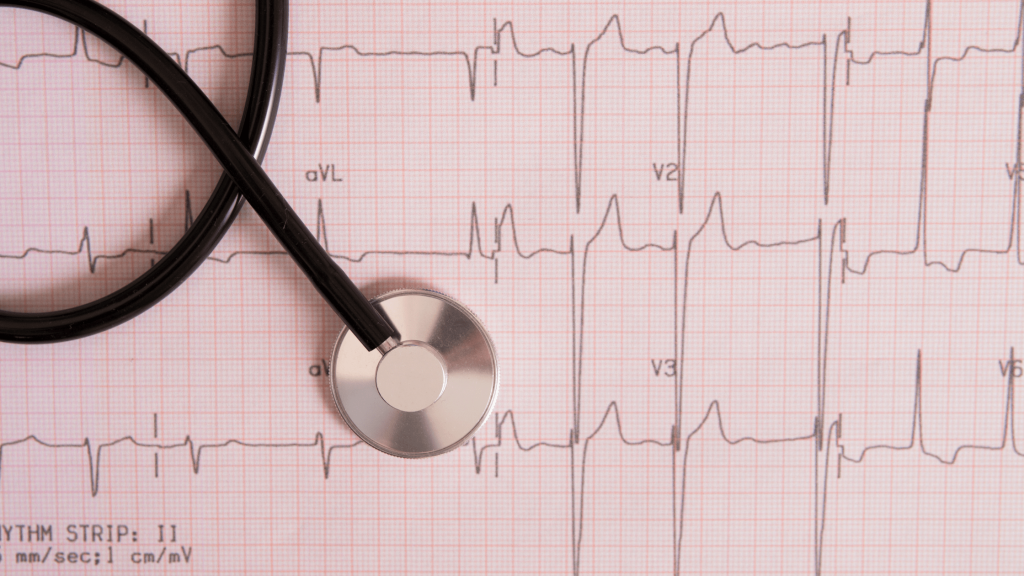
What Are Arrhythmias?
Your heart normally beats in a regular rhythm, pumping blood throughout your body with each heartbeat. An arrhythmia is a condition where the heart beats too fast, too slowly, or with an irregular rhythm.
Occasional changes in heart rhythm can happen in healthy individuals and may not always indicate a serious medical problem. However, some arrhythmias may affect how efficiently the heart pumps blood and could require further assessment or treatment.
The type of arrhythmia and whether it requires treatment depends on its cause, the symptoms it produces, and your overall heart health.
Key Points
- An arrhythmia is an abnormal heart rhythm.
- The heart may beat too fast, too slowly, or irregularly.
- Some arrhythmias cause no symptoms, while others may affect daily activities.
- Diagnosis may involve an ECG, 24-hour ECG (Holter) monitoring, or other cardiac tests.
- Treatment depends on the type of arrhythmia and your individual condition.
What Are the Symptoms of an Arrhythmia?
Some people notice obvious symptoms, while others only discover they have an arrhythmia during a routine medical examination.
Symptoms can vary depending on the type of rhythm disturbance and how often it occurs.
Common symptoms include:
- Palpitations or a sensation that the heart is racing, fluttering, or skipping beats
- An unusually slow heartbeat
- Dizziness or light-headedness
- Fainting or near-fainting episodes
- Shortness of breath
- Chest discomfort
- Fatigue or reduced exercise tolerance
Some arrhythmias may not cause symptoms at all and are only detected during heart investigations.
What Causes Arrhythmias?
The heart relies on electrical signals to maintain a regular heartbeat. When these electrical signals are disrupted, an arrhythmia can occur.
There are many possible causes, and sometimes no specific cause is identified.
Arrhythmias may be associated with:
- Coronary artery disease
- High blood pressure
- Heart valve disease
- Heart muscle disorders
- Previous heart attack
- Thyroid disorders
- Electrolyte imbalances
- Certain medications
- Excessive alcohol or caffeine intake in some individuals
- Smoking
- Stress or anxiety in some cases
Your cardiologist will assess your symptoms and medical history to determine whether further evaluation is needed.
What Are the Different Types of Arrhythmias?
Not all arrhythmias are the same. Some are relatively harmless, while others require closer monitoring or treatment.
Common types include:
Atrial Fibrillation (AF)
Atrial fibrillation is one of the most common heart rhythm disorders. The upper chambers of the heart beat irregularly and often rapidly, which may increase the risk of stroke in some individuals.
Supraventricular Tachycardia (SVT)
SVT refers to episodes of a rapid heartbeat that begin above the heart’s lower chambers. Symptoms may start and stop suddenly.
Bradycardia
Bradycardia describes a heart rate that is slower than expected. In some people, particularly those who are physically fit, this may be normal. In others, it may cause symptoms if the heart does not pump enough blood.
Ventricular Arrhythmias
These rhythm disturbances originate from the heart’s lower chambers (ventricles). Some ventricular arrhythmias require urgent medical evaluation.
Your cardiologist can explain which type of arrhythmia you have and whether treatment is appropriate.
How Are Arrhythmias Diagnosed?
Because some arrhythmias occur only occasionally, they can be difficult to detect during a standard clinic visit.
Your cardiologist may recommend one or more investigations depending on your symptoms.
Common diagnostic tests include:
- 12-Lead Electrocardiogram (ECG)
- 24-hour ECG (Holter) monitoring
- Longer-term heart rhythm monitoring if required
- Echocardiography
- Treadmill stress testing
- Blood tests to look for contributing medical conditions
These investigations help determine the type of arrhythmia and whether any underlying heart condition is present.
How Are Arrhythmias Treated?
Treatment depends on the specific arrhythmia, the severity of symptoms, and whether an underlying heart condition has been identified.
Some people may not require treatment and only need regular follow-up.
Management may include:
- Lifestyle modifications where appropriate
- Medications to control heart rate or rhythm
- Blood-thinning medication for selected patients with atrial fibrillation
- Catheter ablation procedures
- Pacemaker implantation for certain slow heart rhythms
- Implantable cardioverter-defibrillator (ICD) for selected patients at risk of serious ventricular arrhythmias
Your cardiologist will recommend a treatment plan based on your individual clinical needs.
Can Arrhythmias Be Prevented?
Not every arrhythmia can be prevented, but managing cardiovascular risk factors may reduce the likelihood of developing some rhythm disorders.
General measures that support heart health include:
- Keeping blood pressure under control
- Managing cholesterol and diabetes
- Maintaining regular physical activity appropriate for your health
- Eating a balanced diet
- Avoiding smoking
- Limiting alcohol intake where appropriate
- Attending regular medical follow-up if you have an existing heart condition
If you have recurrent symptoms, it is important to seek medical advice rather than trying to diagnose the cause yourself.
When Should You See a Cardiologist?
Occasional palpitations are not always caused by a serious heart condition, but recurring or persistent symptoms should be assessed.
You should consider seeing a cardiologist if you experience:
- Frequent palpitations
- A racing or irregular heartbeat
- Episodes of dizziness or fainting
- Breathlessness associated with palpitations
- Chest discomfort together with an irregular heartbeat
- A family history of inherited heart rhythm disorders together with symptoms
Seek immediate emergency medical attention if you develop severe chest pain, collapse, difficulty breathing, or loss of consciousness.
Frequently Asked Questions
1. Are all irregular heartbeats dangerous?
No. Some arrhythmias are harmless and may not require treatment, while others may need further investigation or management. A medical assessment is needed to determine the cause.
2. What does a heart palpitation feel like?
People often describe palpitations as a racing heartbeat, fluttering, pounding, skipped beats, or the sensation that the heart is beating harder than usual.
3. Can stress cause an irregular heartbeat?
Stress and anxiety may contribute to palpitations in some people, but similar symptoms can also occur because of underlying heart conditions. It is important to have persistent or recurrent symptoms assessed.
4. How is an arrhythmia diagnosed?
Diagnosis may involve a physical examination, ECG, 24-hour ECG monitoring, echocardiography, blood tests, or other investigations depending on your symptoms.
5. Can arrhythmias be treated without surgery?
Yes. Many arrhythmias can be managed with medication or monitoring alone. Some individuals may benefit from procedures such as catheter ablation or pacemaker implantation, depending on the type of arrhythmia.
Discuss Your Symptoms with a Cardiologist
If you’ve noticed palpitations, an irregular heartbeat, dizziness, or episodes of fainting, it’s important to have your symptoms assessed. Identifying the cause of an abnormal heart rhythm can help guide appropriate investigation and management.
At Apex Heart Clinic, Dr Daniel Yeo provides consultation, diagnostic evaluation, and management for patients with arrhythmias and other heart rhythm disorders.
Book an appointment to discuss your symptoms and whether further heart rhythm assessment is appropriate.