
What Is 24-Hour ECG & Blood Pressure Monitoring?
Sometimes, a heart problem or changes in blood pressure do not happen while you’re sitting in a clinic. They may come and go throughout the day, occur during exercise, while you’re asleep, or only during certain activities. That’s why your cardiologist may recommend 24-hour ECG and blood pressure monitoring.
This test allows your heart rhythm and blood pressure to be recorded continuously while you go about your normal daily routine. By collecting information over an extended period, it can provide a more complete picture of how your heart and blood pressure behave outside the clinic.
Key Points
- Monitors your heart rhythm and/or blood pressure over a 24-hour period (or longer if required)
- Allows you to continue most of your normal daily activities during the test
- May help identify irregular heart rhythms that occur intermittently
- Can provide a more accurate assessment of blood pressure throughout the day and night
- Results are reviewed together with your symptoms and medical history
Why Would My Doctor Recommend 24-Hour Monitoring?
Some heart conditions can be difficult to detect during a standard consultation because they happen only occasionally. Similarly, blood pressure readings taken in a clinic may not always reflect your usual blood pressure throughout the day.
Your cardiologist may recommend 24-hour monitoring if they need more information about your symptoms or want to better understand how your heart or blood pressure changes over time.
Common reasons include:
- Palpitations or a racing heartbeat
- Irregular heartbeat
- Dizziness or light-headedness
- Fainting or near-fainting episodes
- Chest discomfort that comes and goes
- Monitoring known heart rhythm disorders
- Assessing high blood pressure
- Evaluating the effectiveness of blood pressure medication
- Investigating blood pressure fluctuations
What Is the Difference Between a 24-Hour ECG and a 24-Hour Blood Pressure Monitor?
Although these tests are often performed together, they measure different things.
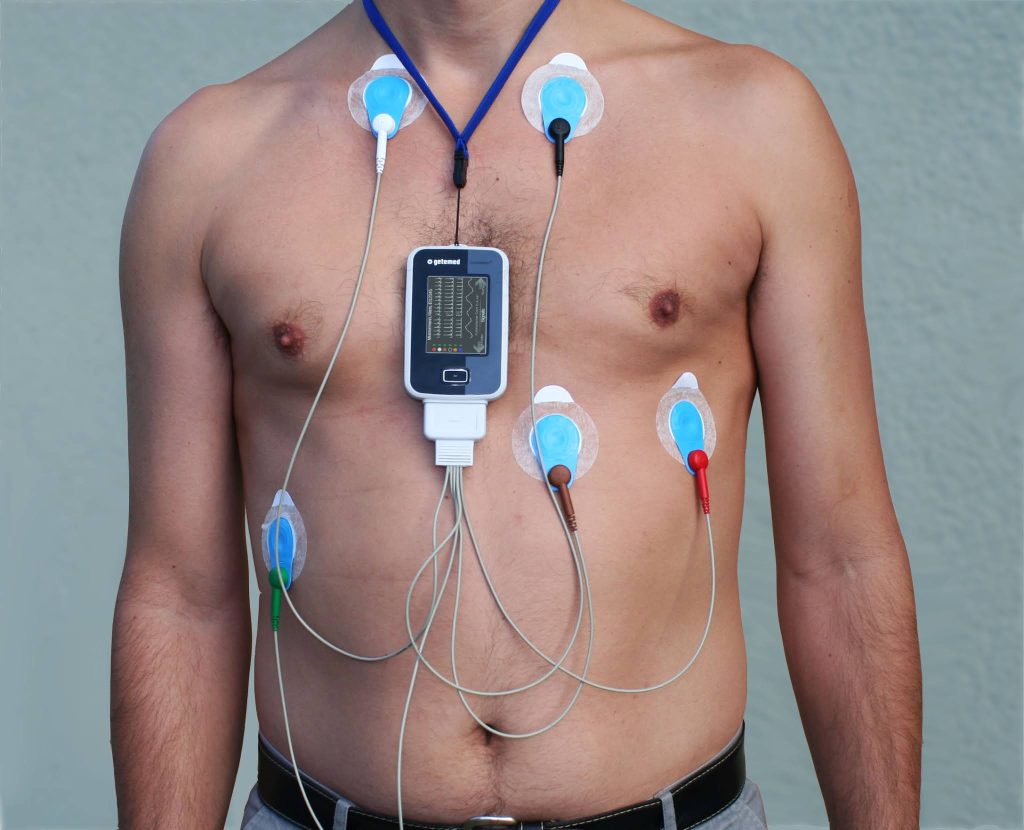
A 24-hour ECG, sometimes called a Holter monitor, continuously records the electrical activity of your heart. It helps identify changes in your heart rhythm that may not appear during a standard ECG.
A 24-hour blood pressure monitor, also known as ambulatory blood pressure monitoring (ABPM), automatically measures your blood pressure at regular intervals throughout the day and while you sleep.
Depending on your symptoms, your doctor may recommend one or both tests.
What Can These Tests Help Detect?
Because these monitors record information over many hours, they may capture changes that would otherwise go unnoticed during a brief clinic visit.
A 24-hour ECG may help identify:
- Intermittent irregular heart rhythms (arrhythmias)
- Episodes of a fast or slow heartbeat
- Heart rhythm changes associated with symptoms such as palpitations or dizziness
A 24-hour blood pressure monitor may help assess:
- High blood pressure (hypertension)
- Blood pressure that rises only in certain situations, such as in a medical setting
- Blood pressure that falls too low
- Blood pressure patterns during sleep
- How well blood pressure medication is working throughout the day
Your cardiologist will interpret the findings alongside your symptoms and other investigations.
What Happens During the Test?
Many people are surprised by how simple these tests are. Once the monitor is fitted, you can usually leave the clinic and continue with your usual routine.
For a 24-hour ECG, several small adhesive electrodes are placed on your chest and connected to a portable recording device.
For 24-hour blood pressure monitoring, a blood pressure cuff is fitted around your upper arm and connected to a small monitor worn on your waist or shoulder.
The monitor will:
- Record continuously throughout the monitoring period
- Automatically measure blood pressure at scheduled intervals (for ABPM)
- Store the readings for later analysis
You may also be asked to keep a diary of your activities, symptoms, sleep, and medications during the monitoring period. This helps your doctor compare any symptoms with the recorded data.
Can I Go About My Normal Day?
Yes. In fact, the goal is to record your heart rhythm and blood pressure while you are carrying out your usual activities.
You can generally:
- Go to work
- Walk and perform light daily activities
- Eat your usual meals
- Take your prescribed medications unless instructed otherwise
- Sleep as normal
However, you should avoid:
- Showering, bathing, or swimming while wearing the monitor
- Activities that could damage or disconnect the equipment
- Removing the electrodes or cuff unless instructed by your healthcare team
Your clinic will provide specific instructions before you leave.
Is Wearing the Monitor Uncomfortable?
Most people adapt to the monitor within a short time.
The ECG electrodes are lightweight and designed to stay attached during normal activities. The blood pressure cuff will inflate periodically, which may feel similar to having your blood pressure checked in a clinic. Some people notice the cuff while sleeping, but the test is generally well tolerated.
If you experience significant discomfort or if the equipment becomes loose, contact your healthcare provider for advice.
What Happens After the Monitoring Is Complete?
Once the monitoring period has ended, you will return to the clinic so the equipment can be removed.
The recorded information is then downloaded and carefully reviewed by your cardiologist. The results are interpreted together with your symptoms, medical history, physical examination, and any other investigations that may have been performed.
Depending on the findings, your doctor may discuss whether further evaluation or management is appropriate.
When Should You Consider Seeing a Cardiologist?
Occasional palpitations or brief episodes of dizziness are not always caused by a heart condition, but if these symptoms become frequent, persistent, or are accompanied by chest pain or fainting, it is important to have them assessed.
You may benefit from a cardiology consultation if you experience:
- Recurrent palpitations
- Irregular heartbeat
- Episodes of dizziness or fainting
- Unexplained chest discomfort
- Difficult-to-control blood pressure
- Blood pressure readings that vary significantly
- A family history of certain heart rhythm disorders together with concerning symptoms
If you experience severe chest pain, collapse, or symptoms of a medical emergency, seek immediate medical attention.
Frequently Asked Questions
1. How long do I need to wear the monitor?
Most monitoring is performed over 24 hours, although your doctor may recommend a longer monitoring period depending on your symptoms.
2. Can I sleep while wearing the monitor?
Yes. It is important to wear the monitor while sleeping so it can record your heart rhythm or blood pressure overnight.
3. Can I exercise during the monitoring period?
You should generally continue your normal daily activities unless your doctor advises otherwise. Very strenuous activities or contact sports may not be recommended while wearing the monitor.
4. Can I shower while wearing the monitor?
No. The monitor should be kept dry. You will be advised to avoid showering, bathing, or swimming until the equipment has been removed.
5. Will the results be available immediately?
No. The information recorded by the monitor needs to be downloaded and analysed by your cardiologist before the results are discussed with you.
Gain a Better Understanding of Your Heart Rhythm and Blood Pressure
If you’ve been experiencing palpitations, dizziness, fainting, fluctuating blood pressure, or other symptoms that come and go, longer-term monitoring may provide additional information that is not always captured during a clinic visit.
At Apex Heart Clinic, Dr Daniel Yeo provides cardiology consultations and may recommend 24-hour ECG and blood pressure monitoring when appropriate as part of a comprehensive cardiac assessment.