Key Takeaways
- Chronic hypertension can quietly affect the heart over time, even without obvious symptoms
- Heart screening helps assess how blood pressure may be impacting heart structure and function
- Screening needs vary based on age, duration of hypertension, and overall risk profile
- Heart screening is often considered part of long-term hypertension management
What Is Chronic Hypertension And Why Does It Matter For Heart Health?
Living with chronic hypertension means your blood pressure remains persistently higher than recommended levels for months or years. While it may feel manageable day to day, sustained high blood pressure places extra workload on the heart and blood vessels.
Over time, this increased strain may:
- Cause the heart muscle to thicken
- Affect how efficiently the heart pumps blood
- Increase the likelihood of conditions involving the coronary arteries or heart rhythm
- Because these changes can develop gradually, many people do not notice warning signs early on.
Why do people with chronic hypertension consider heart screening?
Heart screening is not about predicting outcomes or offering reassurance without reason. Instead, it provides a clearer picture of how the heart is coping under prolonged pressure.
In individuals with chronic hypertension, heart screening is often considered to:
- Identify early structural or functional heart changes
- Establish a baseline for future comparison
- Support informed discussions about long-term cardiovascular care
Importantly, screening decisions are individualised rather than automatic.
What does heart screening usually involve?
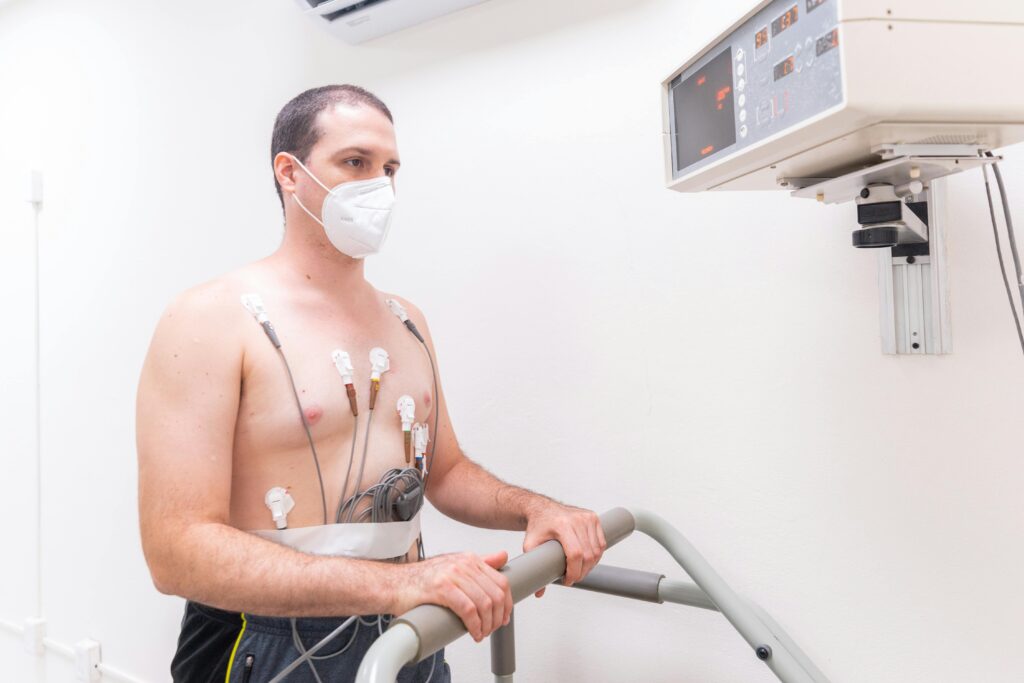
Depending on personal health factors, heart screening may include a combination of assessments such as:
- Blood pressure trend review over time
- Blood tests related to cardiovascular risk
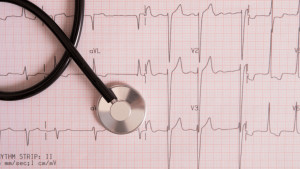
- Electrocardiogram (ECG) to assess heart rhythm
- Imaging tests to look at the heart structure and movement
Not everyone requires every test. The approach is usually tailored to age, medical history, symptoms, and duration of hypertension.
When should someone with hypertension think about heart screening?
You may wish to discuss heart screening if:
- Hypertension has been present for several years
- Blood pressure has been difficult to control
- There is a family history of heart-related conditions
- Symptoms such as chest discomfort, breathlessness, or unexplained fatigue appear
Even without symptoms, screening can sometimes offer useful clinical context.
FAQs
1. Is heart screening compulsory if I have chronic hypertension?
No. Heart screening is considered based on individual health factors and clinical judgement rather than as a mandatory step.
2. Can heart problems exist even if I feel well?
Yes. Some heart-related changes linked to hypertension may not cause noticeable symptoms in the early stages.
3. How often should heart screening be done?
There is no fixed schedule. Frequency depends on your health profile, blood pressure control, and findings from previous assessments.
4. Does heart screening replace blood pressure monitoring?
No. Regular blood pressure monitoring remains essential. Heart screening complements, rather than replaces, ongoing monitoring.
Considering heart screening as part of long-term care
If you are living with chronic hypertension, heart screening may form part of a broader discussion about cardiovascular health rather than a standalone solution.
At Apex Heart Clinic, consultations focus on understanding your health background, reviewing existing conditions, and determining whether heart screening is appropriate for your situation.
If you would like to explore whether heart screening in Singapore is relevant to your long-term blood pressure management, you may consider arranging a consultation at Apex Heart Clinic for an informed decision.