Key Takeaways
- An electrocardiogram heart test is often the first step in assessing heart health.
- It can detect rhythm issues and signs of strain, but may not identify all heart conditions.
- Additional tests are sometimes needed for a clearer and more complete diagnosis.
- Early and accurate evaluation helps guide appropriate care and management.
What Does an Electrocardiogram Heart Test Actually Show?
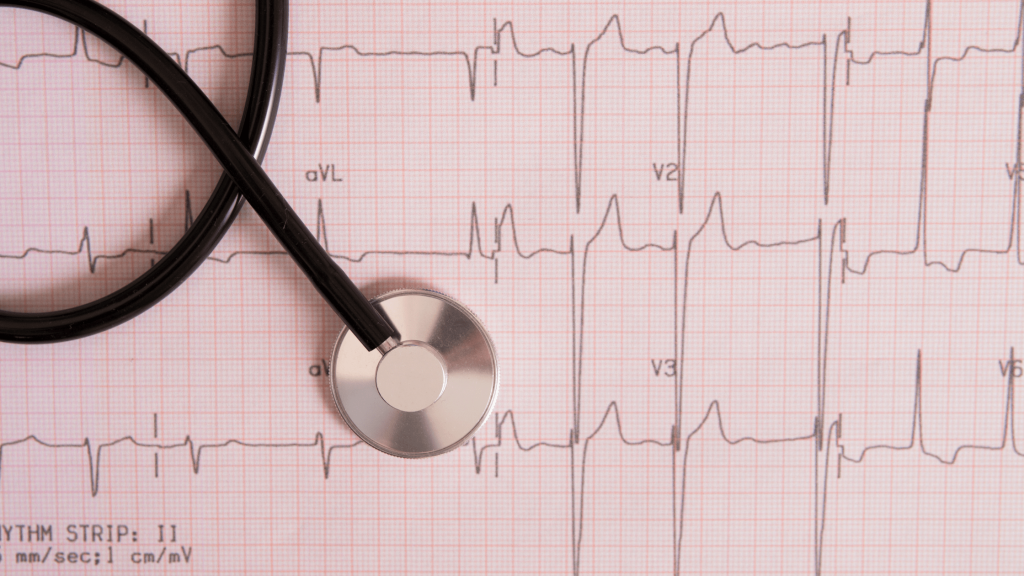
An electrocardiogram heart test (ECG) records the electrical activity of your heart. It is quick, painless, and commonly used in clinics. It can help detect:
- Irregular heart rhythms (arrhythmias)
- Signs of previous or ongoing heart strain
- Possible reduced blood flow to the heart
- Changes linked to electrolyte imbalances
While it provides valuable information, it only captures a snapshot of your heart’s activity at a specific moment.
Is an Electrocardiogram Enough to Diagnose All Heart Problems?
The short answer is not always. An ECG is a useful starting point, but,
- Some heart conditions may not show up during the test
- Symptoms like chest discomfort or breathlessness may occur intermittently
- Structural heart issues (such as valve problems) cannot be seen directly
Because of these limitations, doctors may recommend further evaluation depending on your symptoms and risk factors.
When Might You Need Additional Heart Tests?
If your ECG results are inconclusive or symptoms persist, further tests may be advised, such as,
- Echocardiogram- Uses ultrasound to assess heart structure and function and helps identify valve issues or weakened heart muscles.
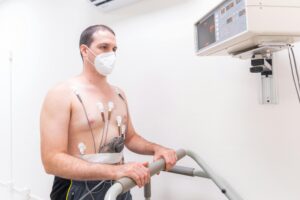
- Stress Test- Monitors heart activity during physical exertion and useful for detecting reduced blood flow.
- Holter Monitoring- A portable ECG worn over 24–48 hours and captures irregular rhythms that may not appear during a short test.
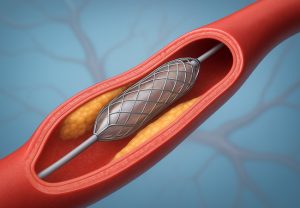
- CT Coronary Angiogram- Provides detailed images of heart arteries and helps assess possible blockages.
These tests complement the electrocardiogram heart test, offering a more comprehensive picture when needed.
How Do Doctors Decide Which Tests Are Needed?
The decision is based on a combination of factors,
- Your symptoms such as chest discomfort, palpitations, dizziness
- Medical history and risk factors such as diabetes or high blood pressure
- Physical examination findings
- Initial ECG results
The goal is not to over-test, but to ensure that any potential heart condition is properly evaluated.
Why Is It Important Not to Rely on a Single Test?
Relying only on one test may not provide a complete understanding of heart health. A broader assessment helps,
- Reduce the risk of missed or delayed diagnosis
- Clarify the cause of symptoms
- Guide appropriate next steps in care
This approach aligns with patient-centred care, where decisions are made based on individual needs rather than assumptions.
Frequently Asked Questions
1. Is an electrocardiogram heart test painful?
No, it is a non-invasive and painless test. Electrodes are placed on the skin to record heart activity.
2. How long does an ECG take?
The test itself usually takes about 5–10 minutes, making it quick and convenient.
3. Can an ECG detect a heart attack?
An ECG can show changes that may suggest a current or past heart attack, but further tests are often needed for confirmation.
4. Should I do more tests if my ECG is normal but I still have symptoms?
If symptoms persist, further evaluation may be recommended, as some conditions do not appear on a single ECG.
When Should You Consider a Heart Check in Singapore?
If you are experiencing symptoms such as chest discomfort, irregular heartbeat, or unexplained fatigue, it may be appropriate to seek medical advice. At Apex Heart Clinic, Dr. Daniel Yeo provides thorough cardiac assessments, starting with tests like the electrocardiogram heart test and recommending further evaluation when necessary. Care is tailored to each individual’s condition and concerns. If you would like to better understand your heart health, consider scheduling a consultation to discuss your symptoms and available assessment options.