
Key Takeaways
- Cardiac device implantation safety has improved significantly with modern techniques and strict clinical protocols.
- Most procedures are planned carefully after detailed assessment to reduce risks.
- Knowing what happens before, during, and after implantation can ease anxiety and support recovery.
- A clear discussion with your cardiology clinic helps you make informed decisions based on your condition.
What Is Cardiac Device Implantation and Why Is It Recommended?
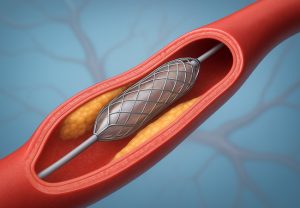
Cardiac device implantation refers to placing a medical device inside the body to help regulate heart rhythm or support heart function. These devices are commonly recommended when the heart beats too slowly, too fast, or irregularly.
In simple terms, the goal is to:
- Maintain a stable heart rhythm
- Reduce symptoms such as dizziness, fatigue, or breathlessness
- Lower the risk of serious complications linked to abnormal heart rhythms
How Safe Is Cardiac Device Implantation Today?
Cardiac device implantation is generally considered a well-established procedure when performed in an appropriate clinical setting. Safety is supported by careful planning and monitoring.
Key safety aspects include:
- Thorough pre-procedure evaluation of heart condition and overall health
- Use of sterile techniques to reduce infection risk
- Continuous monitoring during and after the procedure
- Clear post-procedure care instructions
While no medical procedure is entirely without risk, complications are uncommon and are managed promptly when identified.
What Happens Before the Procedure?
Before implantation, patients usually go through several steps to ensure suitability and safety.
This may include:
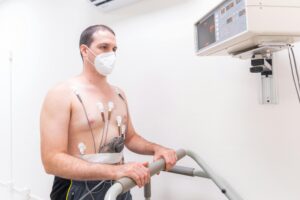
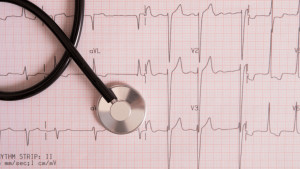
- Heart rhythm tests such as ECG or Holter monitoring
- Blood tests and imaging where needed
- Medication review to minimise bleeding or interaction risks
- A discussion about the procedure, possible risks, and recovery expectations
This preparation phase plays a major role in supporting cardiac device implantation safety.
What Should You Expect During and After Implantation?
The procedure itself is usually performed under local anaesthesia with sedation.
During the procedure:
- A small incision is made near the chest area
- The device is positioned and connected to the heart
- Heart rhythm is tested before closing the incision
After the procedure:
- Short hospital observation is common
- Mild discomfort or swelling near the incision may occur
- Gradual return to daily activities is advised, following medical guidance
Recovery experiences vary, but most patients resume normal routines within weeks.
Frequently Asked Questions
1. Is cardiac device implantation painful?
Discomfort is usually mild, as local anaesthesia is used. Any post-procedure soreness is typically temporary.
2. How long does a cardiac device last?
Device lifespan varies depending on type and usage, and regular follow-ups help monitor performance.
3. Are there lifestyle restrictions after implantation?
Most people return to normal activities, with some short-term precautions advised during healing.
4. Is cardiac device implantation safe for older adults?
Age alone is not a limiting factor. Overall health and heart condition are more important considerations.
Take the Next Step With Apex Heart Clinic
If you are based in Singapore and considering a cardiac device, having a clear, personalised discussion matters. At Apex Heart Clinic, care focuses on thorough assessment, clear explanations, and appropriate follow-up, so you understand each step without pressure or unrealistic expectations.
If you have concerns about heart rhythm issues or want to learn more about cardiac device implantation safety, consider scheduling a consultation with Apex Heart Clinic. A professional discussion can help you understand your options and decide what is appropriate for your heart health.