
Valvular heart disease often develops silently but can recognising it early make a real difference to your heart health?
Key Takeaways
- Early heart valve disease diagnosis can help detect problems before symptoms worsen.
- Timely monitoring and management may reduce the risk of long-term heart complications.
- Many people may not notice symptoms in the early stages, making regular check-ups important.
- Seeking medical advice early supports better-informed decisions about your heart health.
What Is Valvular Heart Disease and Why Should You Care?
Valvular heart disease occurs when one or more of the heart’s valves do not function properly. These valves regulate blood flow through the heart, and any disruption can affect how efficiently the heart works.
- Common types include Stenosis which is narrowing of the valve and Regurgitation is the leakage of the valve
- It may develop due to age-related changes, congenital conditions and infections or other heart-related issues
In many cases, symptoms may not appear immediately, which is why early heart valve disease diagnosis plays an important role in identifying issues before they progress.
Can Early Heart Valve Disease Diagnosis Really Prevent Long-Term Damage?
Early detection does not “guarantee” prevention, but it can significantly influence outcomes by enabling timely care. Here’s how it may help,
- Closer monitoring- Regular follow-ups allow doctors to track progression and act when needed
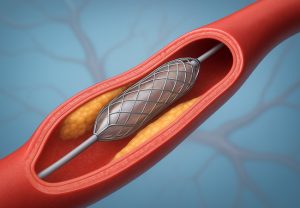
- Timely intervention- Medical or procedural treatments can be considered at the appropriate stage
- Reduced strain on the heart- Managing valve issues early may help prevent complications such as heart failure
- Improved quality of life- Patients may maintain better daily functioning with early care
Importantly, early heart valve disease diagnosis supports informed decision-making rather than waiting for symptoms to worsen.
What Are the Early Signs You Should Not Ignore?
Valvular heart disease can be subtle in its early stages. Some symptoms may be mistaken for general fatigue or aging. You can look out for,
- Shortness of breath, especially during activity
- Fatigue or reduced ability to exercise
- Chest discomfort
- Palpitations or irregular heartbeat
- Swelling in ankles or feet
If you notice persistent or worsening symptoms, it is advisable to seek medical evaluation.
Who Is More at Risk of Developing Valve Problems?
Certain groups may have a higher likelihood of developing valvular heart disease,
- Adults over the age of 50
- Individuals with a history of heart conditions
- Those with congenital heart abnormalities
- People with a history of rheumatic fever or infections affecting the heart
Regular health screenings may be helpful for individuals in these categories.
How Is Early Heart Valve Disease Diagnosis Done?
Diagnosis typically involves a combination of clinical evaluation and imaging tests,
- Physical examination- Listening for heart murmurs
- Echocardiogram- A key test to assess valve structure and function
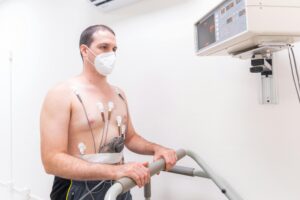
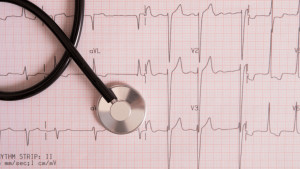
- Electrocardiogram (ECG)- To evaluate heart rhythm
- Chest X-ray or other imaging tests- In selected cases
These tests help doctors understand the severity and guide appropriate management.
Frequently Asked Questions
1. Can valvular heart disease be detected before symptoms appear?
Yes, in some cases it may be identified during routine check-ups or imaging tests, even before noticeable symptoms develop.
2. Is early heart valve disease diagnosis necessary if I feel fine?
If you have risk factors or a family history of heart conditions, early evaluation may be beneficial even without symptoms.
3. Can lifestyle changes help after early diagnosis?
Healthy habits such as balanced nutrition, regular activity, and managing other conditions like blood pressure may support overall heart health.
4. Will all valve problems require surgery?
Not all cases require surgical treatment. Some may only need monitoring, while others may require intervention depending on severity.
When Should You Consider a Heart Check-Up?
If you are experiencing symptoms, have risk factors, or simply want clarity about your heart health, an evaluation can provide useful insights.
At Apex Heart Clinic in Singapore, Dr Daniel Yeo and his team provides thorough assessments for heart conditions, including valvular heart disease, in a patient-focused setting. Early understanding of your condition can help you make informed decisions about your care. Consider booking a consultation with Apex Heart Clinic to discuss your heart health today.