
as prescribed. While medicines play a vital role in managing heart conditions, they may not always be enough if the heart’s pumping action has become inefficient. In some cases, additional treatment options such as cardiac resynchronisation therapy may be considered to help improve heart function and relieve symptoms.
Key Takeaways
- Persistent breathlessness is not always a sign that medications have failed.
- Heart failure can sometimes require treatments beyond medicines, including cardiac resynchronisation therapy.
- Early assessment can help identify why symptoms continue despite treatment.
- Working closely with your cardiologist allows your treatment plan to be adjusted based on your condition.
Why Am I Still Feeling Breathless Despite Taking My Heart Medications?
Heart medications are designed to,
- Reduce the workload on your heart
- Lower blood pressure
- Remove excess fluid from your body
- Improve the heart’s pumping ability
- Help prevent further damage to the heart
However, breathlessness may continue because,
- Your heart condition has progressed over time.
- The heart chambers are no longer beating in a coordinated way.
- Fluid continues to build up in your lungs.
- Another medical condition, such as lung disease or anaemia, may also be contributing.
- Your current treatment plan may need review or adjustment.
Persistent symptoms should not be ignored, especially if they begin affecting your daily activities.
Could My Heart Failure Be Getting Worse?
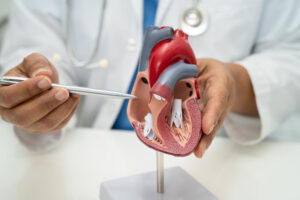
Heart failure does not always mean the heart has stopped working. It means the heart cannot pump blood as efficiently as it should. Signs that may suggest your condition needs reassessment include,
- Breathlessness during simple activities or even while resting
- Swelling in your ankles, legs or abdomen
- Needing more pillows to sleep comfortably
- Ongoing tiredness or reduced exercise tolerance
- Sudden weight gain caused by fluid retention
These symptoms do not automatically indicate a serious change, but they should be discussed with your cardiologist promptly.
What Is Cardiac Resynchronisation Therapy?
Cardiac resynchronisation therapy (CRT) is a treatment that may be recommended for some people with heart failure whose heart chambers are not beating together in a coordinated manner.
CRT involves implanting a specialised pacemaker that helps synchronise the contractions of the heart’s lower chambers, allowing the heart to pump blood more efficiently.
For suitable patients, cardiac resynchronisation therapy may help,
- Improve the coordination of the heart’s pumping action
- Reduce symptoms such as breathlessness and fatigue
- Improve the ability to perform everyday activities
- Reduce hospital admissions related to heart failure
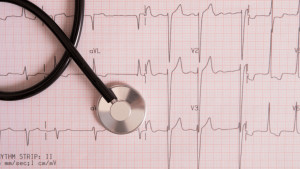
Not everyone with heart failure requires CRT. A cardiologist will assess whether it is appropriate based on factors such as your symptoms, heart function and results from investigations like an electrocardiogram (ECG) and echocardiogram.
How Will My Cardiologist Determine the Cause of My Breathlessness?
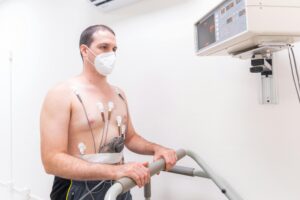
If symptoms continue despite medication, your cardiologist may recommend further evaluation, which could include,
- Reviewing your current medications and dosages
- Performing a physical examination
- Electrocardiogram (ECG)
- Echocardiogram
- Blood tests
- Chest imaging when necessary
- Assessment for other medical conditions that may cause breathlessness
This comprehensive assessment helps identify the underlying cause and guides the most appropriate treatment approach.
What Can I Do Alongside My Treatment?
Along with following your prescribed treatment plan, you can support your heart health by,
- Taking medications exactly as prescribed
- Attending regular follow-up appointments
- Limiting salt intake if advised
- Monitoring your weight for sudden changes
- Staying physically active within your doctor’s recommendations
- Reporting any worsening symptoms early
Making these lifestyle adjustments can complement medical treatment and help manage heart failure more effectively.
Frequently Asked Questions
1. Is it normal to still feel breathless while taking heart medications?
It can happen in some people, particularly if heart failure has progressed or another condition is contributing to the symptoms. Persistent breathlessness should be assessed by a cardiologist.
2. Does persistent breathlessness mean my medications are no longer working?
Not necessarily. Your medications may still be helping, but your condition may require further evaluation or additional treatment options depending on your clinical assessment.
3. Who may benefit from cardiac resynchronisation therapy?
Cardiac resynchronisation therapy may be considered for selected patients with heart failure whose heart chambers are not beating in a coordinated way. Your cardiologist will determine whether you meet the clinical criteria.
4. When should I seek medical attention for worsening breathlessness?
You should arrange a medical review if your breathlessness becomes more frequent, occurs at rest, wakes you at night, or is accompanied by swelling, rapid weight gain, chest discomfort or fainting.
Don't Ignore Ongoing Breathlessness
If you’re continuing to experience breathlessness despite taking your prescribed heart medications, it may be time for a comprehensive assessment. Identifying the underlying cause early can help guide appropriate management, including whether treatments such as cardiac resynchronisation therapy are suitable for your condition.
At Apex Heart Clinic, Dr Daniel Yeo and his team provides comprehensive evaluation and personalised management for a range of heart conditions, including heart failure. If persistent symptoms are affecting your quality of life, schedule a consultation to discuss your concerns and explore the treatment options that may be appropriate for you.