
Finding out that you have a mildly leaking heart valve can raise an unexpected question about you being able to exercise as usual. For many people, mild valve leakage does not prevent them from working, walking, swimming or enjoying other everyday activities. However, the diagnosis alone does not tell the whole story. The affected valve, the heart’s pumping function and the presence of symptoms all influence what activities are appropriate.
Key Takeaways
- Mild heart valve leakage does not always cause symptoms or require major lifestyle changes.
- Exercise recommendations depend on the affected valve, the degree of leakage and how well the heart functions.
- New breathlessness, unusual fatigue or reduced exercise tolerance should not be dismissed as normal ageing.
- Regular monitoring helps doctors identify changes before they significantly affect daily activities.
Does Mild Heart Valve Leakage Mean You Need To Slow Down?
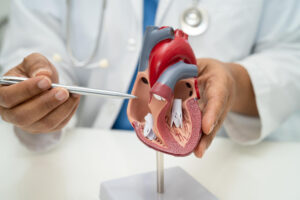
Heart valves help direct blood through the heart. When a valve does not close completely, some blood flows backwards. This is known as heart valve regurgitation. A small amount of leakage may place little additional strain on the heart. In such cases, people can remain active without experiencing noticeable limitations.
However, the word mild describes the degree of leakage, not necessarily how every person will feel. Your doctor may also consider whether the heart chambers are enlarged, whether the heart is pumping normally and whether other heart conditions are present. This is why two people with the same diagnosis may receive different exercise recommendations.
What types of exercise can you do with a leaky heart valve?
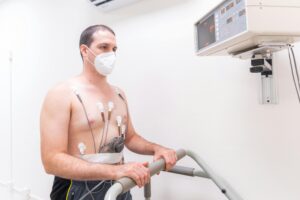
If you have mild leakage and your heart function is normal, your doctor may advise you to continue with suitable physical activities.
Walking, gentle cycling, and other moderate activities may be appropriate, depending on your individual assessment. You do not necessarily need to abandon your usual routine simply because an echocardiogram has identified valve leakage.
A few practical considerations can help,
- Start at a comfortable pace – Avoid suddenly increasing the intensity or duration of your workouts.
- Pay attention to changes – Notice whether familiar activities leave you unusually breathless, dizzy or exhausted.
- Discuss strenuous exercise – Heavy weightlifting, high-intensity training and competitive sports may require individual assessment, particularly if there are other heart abnormalities.
- Follow personalised advice – Your exercise limits may change if the leakage progresses or your heart function changes.
Do not assume that all exercise is unsafe, but avoid pushing through symptoms to maintain a previous fitness target.
How Might Valve Leakage Affect Everyday Life?
Mild valve leakage may have no noticeable effect on daily activities. Many people continue working, travelling and managing household responsibilities without difficulty. The more useful question is whether your usual level of activity has changed. For example, needing more breaks when climbing stairs, becoming breathless during a familiar walk or feeling unusually tired after routine tasks may warrant medical assessment.
These symptoms can have several causes, so they do not automatically mean the valve leakage has worsened. Consider seeking urgent medical attention for severe or sudden breathlessness, chest pain, fainting or other severe symptoms.
Why is follow-up important if you feel completely well?
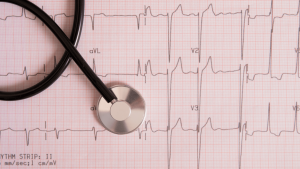
Feeling well does not always reveal whether valve leakage has changed. Doctors may recommend periodic reviews and an echocardiogram, which uses ultrasound to assess the heart’s structure, valve function and blood flow. The timing of follow-up depends on the valve involved, the severity of leakage, heart function and other clinical findings.
Between appointments, pay attention to changes such as,
- Reduced stamina during familiar activities.
- New breathlessness when lying down or during exertion.
- Swelling around the ankles.
- Persistent fatigue or episodes of dizziness.
Report new or worsening symptoms rather than waiting for your next scheduled review.
Frequently Asked Questions
1. Can I walk every day with mild heart valve leakage?
Daily walking may be suitable for many people with mild leakage. The appropriate pace and duration depend on your symptoms, heart function and your doctor’s recommendations.
2. Can mild valve leakage become more severe?
Yes, it can progress in some people, although it may remain stable in others. Follow-up assessments help determine whether the condition has changed.
3. Can I go to the gym with a leaky heart valve?
Possibly. The suitability of gym activities depends on the valve affected, heart function and exercise intensity. Discuss heavy lifting and strenuous training with your doctor before starting or increasing these activities.
4. Does mild heart valve leakage always require medication?
No. Some people need monitoring without medication or an intervention. Treatment decisions depend on the underlying cause, symptoms and other findings.
5. Should I see a doctor if I feel more tired during exercise?
Yes, particularly if the change is new, persistent or accompanied by breathlessness, dizziness or chest discomfort. A medical assessment can help identify the cause.
Schedule a Consultation to Understand Your Heart Health
Living with a leaky heart valve does not automatically mean giving up exercise or changing every part of your daily routine. The key is understanding your individual condition and recognising when your usual activity levels begin to feel different.
If you have been diagnosed with valve leakage or have noticed a change in your exercise tolerance, consider arranging a consultation with Dr Daniel Yeo at Apex Heart Clinic. An assessment can help clarify your heart valve findings, appropriate activity levels and follow-up needs.